Inclusive, Barrier-Free Experiences for Every Attendee
Inclusive, Barrier-Free Experiences for All
There’s a lot of talk today about accessibility and inclusion. Events are great for professional and career development, and networking. But failing to account for accessibility may mean you unintentionally exclude participants who have value to offer. Planning for accessibility will ensure everyone who wants to can attend your event. They will gain from the experience and bring their knowledge to the table as well.
Creating accessible events will require careful planning. It’s important to address the needs of all of your attendees, including those with disabilities. Organizing events like this will show that your company values everyone. This can increase your business value and credibility. Plus, you’ll stand out from competitors who fail to do so.
Whether you are organizing a small office conference or a big concert, focusing on accessibility and inclusion is important, whether attendees are coming in-person, attending virtually, or if you offer a hybrid option. Let’s take a look at event accessibility and some helpful tips and best practices.
What is event accessibility?
Event accessibility is organizing events in a way that ensures everyone, including those with diverse needs and/or disabilities, can actively participate, engage, and experience the event with other attendees. You will have to plan carefully to ensure that difficulties don’t become a barrier to consuming the event content.
Examples of event accessibility include:
· Wheelchair-friendly venues
· Accessible seating and restrooms
· Screen reader registration forms
· Captioned videos
· Sign language interpreters
Why are accessible events important?
Event accessibility has an element that makes everyone feel welcome. It means everyone gets to take part and enjoy the event. Special attention is given to accommodating individual disabilities, so they get the full benefit of the event.
Here are some reasons why event accessibility matters:
· Offering equal opportunity to everyone who wants to participate
· Improves your brand reputation
· Impresses attendees
· Reach a wider audience
· Support social responsibility
· Increase your event’s ROI
How do we create an accessible event?
1. Understand Accessibility Needs
The first step in creating accessible events is to understand accessibility needs. Accessibility needs are both physical disabilities and invisible disabilities.
Physical Disabilities: Means a person has difficulty moving, hearing, or seeing.
Invisible Disabilities: Aren’t as obvious. They may include mental health or neurodivergent states.
How are you supposed to accommodate disabilities? Here are some tips:
· Study attendees in advance. Include questions about accessibility needs when creating your registration form. Ask your registrants, if they need sign language interpreters, wheelchairs, listening devices, or any other arrangements from you.
· Join efforts with a disability advocacy group. Find groups that can help you understand the diverse needs you may encounter. They can help you make accommodations.
2. Venue Selection and Arrangements
Perhaps the most important thing is to choose the right venue. If it’s not accessible, your other efforts are in vain. Here are some things to look for:
· Make sure the venue is accessible to wheelchair users, has elevators, special bathrooms, or ramps. Check the doorways and flooring to ensure they are smooth for walkers who may use walking assistance.
· Check the display boards at the venue to make sure they use clear fonts and contrasting colors. This helps attendees with neurodivergent or visual issues. Double-check the signs for the bathrooms, exits, and other signage.
· Check seating areas to make sure they’ll be comfortable for attendees who have mobility devices.
· Lighting should be checked to make sure they are adequate enough for persons with low vision.
3. Marketing and Communication
Of course, your event content will need to be accessible to everyone. But you’ll also want to make your event marketing messages and other communications clear to individuals with disabilities. Here are some tips to help:
· Reach a broader audience by making sure your marketing materials, invites, etc. are easily understood by all. Use clear fonts and explain things in simple steps. Don’t forget to add a field for special requirements on the registration.
· Use catchy color combinations for your content. Choose contrasting colors for printed materials.
· Stick to simple language that is jargon-free so that people who have cognitive disabilities and those who do not speak English as their first language can easily comprehend.
· Use language interpreters and instant captioning with your marketing material so that those with special needs can understand what to expect at your event.
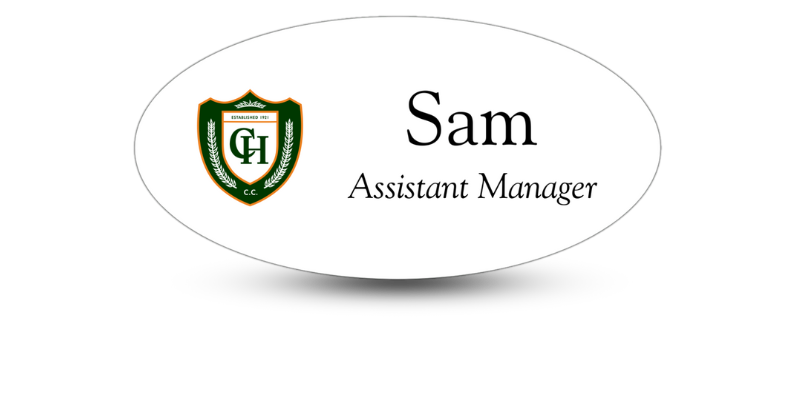
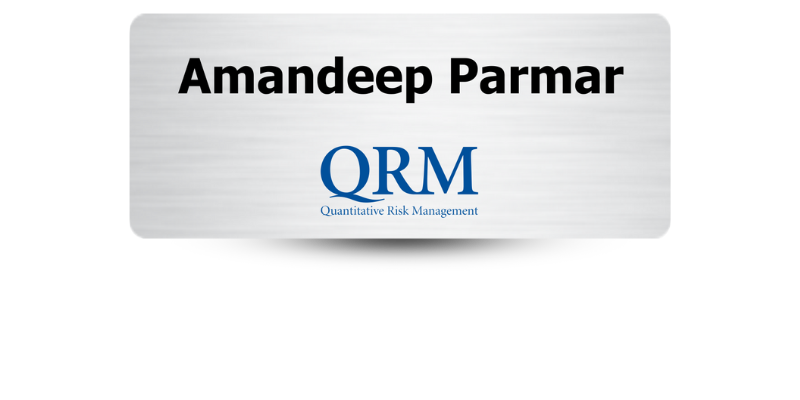
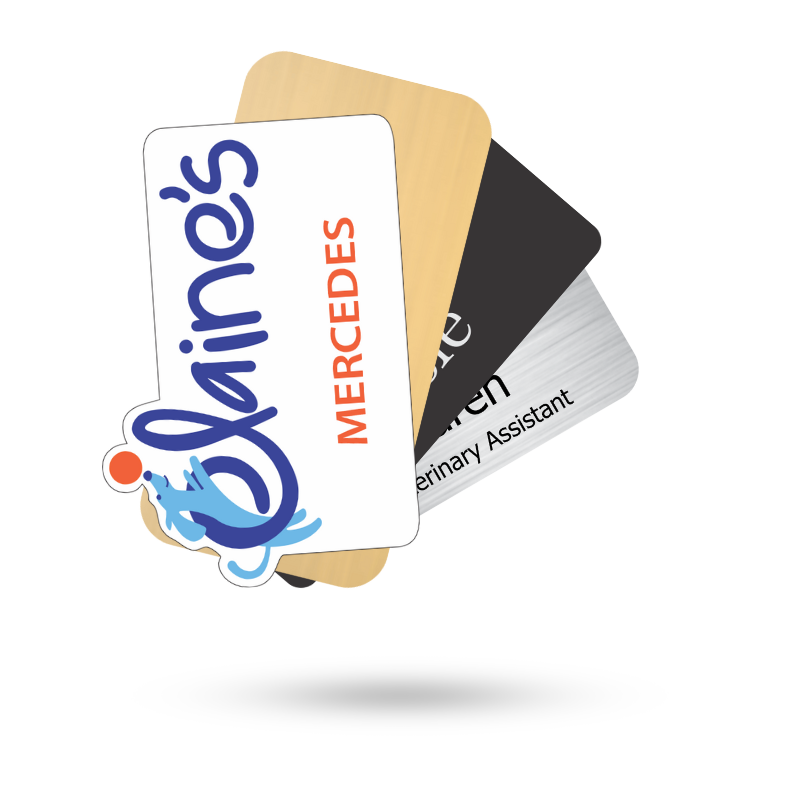
· Event name badges should use contrasting color schemes and large enough font to ensure they are legible.
4. Event Technology and Virtual Accessibility
If you host a virtual or hybrid event, technology plays a huge role in making it accessible. You’ll want to focus on:
· Making video content accessible. They should include captions, subtitles, and sign language.
· If you use a virtual platform for your event, make sure it’s screen-reader friendly and supports other types of assistive technology. The most popular options, Zoom and Microsoft Teams offer this feature, but it’s good to check in advance.
· If you have a sign language interpreter available, it is very helpful for attendees who have hearing impairments.
· Record all your sessions. This lets attendees access content when it is convenient for them.
5. Staff Training
Make sure your staff is trained so they are comfortable helping attendees with disabilities. You can’t cover everything, but you can train staff in areas like:
· Disability Awareness Training. You can either teach your staff, or hire a team to train them in disability awareness. This will make it easier for them to help attendees with special needs.
· You’ll want to make sure they are trained on guiding attendees to the right places at the event. They also need to be able to communicate well so they can answer any questions.
6. Post-Event Accessibility
It’s important to help attendees before, during, and after your event. It’s good to consider post-event accessibility. What does that look like? Here are some tips:
· Record event sessions for attendees and make sure they have subtitles, captions, and language interpretations available.
· Collect feedback using surveys that are available to everyone. This can help you know how to improve future events, ensuring they are accessible.
Partner with Name Tag Pros for Perfect Event Name Badges
At Name Tag Pros, we are committed to accessibility and inclusion. We’ll help you design your name badges to ensure they are the right size and colors. We can also help you choose a stylish font that will be easily read. Give us a call today, and let’s get your event name badges started!
Share Article
Categories
View Recent Blog Posts