Multi-Language Teams: Language Identifier Name Tag Design Tips
Language Identifier Name Badges to Improve Multilingual Service
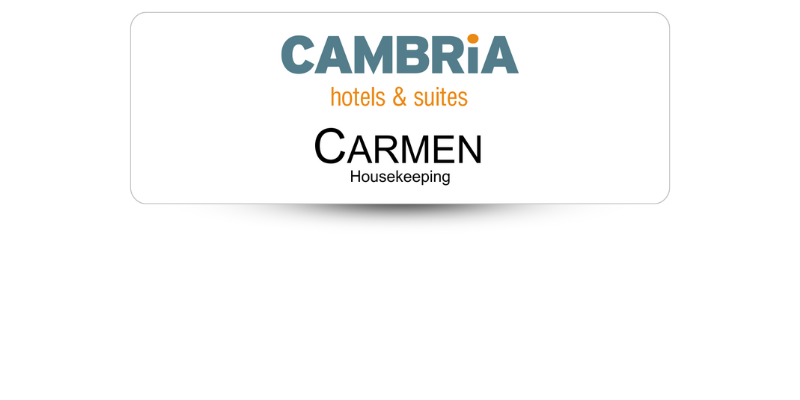
In the workplace, communication can make a huge difference between a “heated” or a “handled” conversation. Language identifier name tags can help make communication easier. They can give customers and coworkers a quick signal about who can help them and in which language they can find help. This alleviates the need to guess or ask uncomfortable questions.
Language identifiers provide immediate value for customers. They can approach the right person on their first try. They are also beneficial for teams by making conversations smoother. No more starting an intake before realizing there’s a language barrier and having to start all over with a new staff member. Making language visibility clear at a glance results in smoother service, fewer repeated explanations, and less frustration on both sides of the counter.
Where Language Indicators Help Most
Name badge language indicators are most effective when conversations are emotionally important, tied to accuracy, or time sensitive. They are especially helpful if there is a schedule, a line, or a safety issue. In these types of settings, multilingual staff are doing vital work. Providing a simple badge makes it much easier for people to connect with the right help sooner.
· Retail Counters: Encourage faster greetings, quicker returns, and product questions by letting customers know the right person to approach.
· Hospitals and Healthcare Settings: Language indicator badges make intake questions smoother, directions clearer, and lead to fewer misunderstandings in high-stress visits.
· Hotels and Restaurants: Easier check-in, wayfinding, and quicker resolutions for reservation and room issues.
· Schools: Easier communication with parents, clearer communication during urgent situations and pickups, and easier front-office assistance when needed.
· Public-facing Offices: More efficient support and reduced escalations when staff can quickly reroute language needs.
· Event Check-in: Faster registration and fewer bottlenecks are achieved when language needs are visible at first contact.
Think about real workflow moments where language friction may be present in initial greetings, answering intake questions, explaining policies, or trying to handle an escalation. When customers see “Arabic” or “Spanish” on a name tag, they are less likely to bounce between staff members or avoid asking for help altogether.
Most public-facing roles can benefit from language indicator name badges, but they are also useful for supporting internal coordination, especially when teammates need help with a form, a phone call, or a time-sensitive question.
Layout Ideas to Keep Language Identifier Name Tags Readable
Name badges only work if they can be read quickly. The best layout for a name tag is to keep information prominent, limit clutter, and use consistent patterns across teams. If you work with the public, name tags may be viewed from a few feet away, while people are in motion, or under bright lights. Here are a few tips to help with readable name badge layouts.
· Keep a simple hierarchy. One primary language on the first line, with no more than two secondary languages below it.
· Optional proficiency tiers. Add Basic/Intermediate/Fluent to set expectations without over-explaining.
· Pair roles and language. Put the wearer’s role first, since that is what the customer needs, then add language details underneath.
· Pair icons and text sparingly. If you use a language indicator icon, keep it universal and let the text do the work.
· Two-sided designs. ID badges can flip on lanyards; consider putting language indicators on both sides.
Remember that there is always a trade-off. Adding more languages adds more details, which can reduce readability. If a person can speak several languages, consider highlighting the most used language(s) and using an internal directory for the full list. This keeps the name tag clean and effective.
Multilingual Name Tags Beyond Customers
Language visibility isn’t just useful for customers. Multilingual staff name tags also act as internal communication tools that help your teams coordinate in real time. Routing requests becomes smoother, teammates find help for a phone call, and new hires learn who to ask questions.
In practice, it works like a well-oiled machine, providing quick handoffs for requests for help. Teams can agree on simple phrases so it’s easier to ask without pressure, and easier to reply yes or no based on comfort and workload. Try:
· Are you available to help with a Spanish question at the front desk?
· Could you join us for a minute to confirm we are explaining it correctly?
· If you’re tied up, I can use the translation tool and follow up. Do you have a preference?
· Can I hand this call to you, or should I schedule a callback?
Let Name Tag Pros Create Name Tags for Your Multilingual Team!
Ready to provide smoother, quicker help for your customers? Give Name Tag Pros a call! We can equip your staff with language indicator name tags that keep teams run efficiently so customers are never kept waiting!
Share Article
Categories
View Recent Blog Posts