Pronouns on Name Badges: Trends, Best Practices, and Brand Considerations
How workplaces are approaching pronouns thoughtfully
Name badges set the tone for first interactions, help people communicate more easily, and quietly reflect a company’s values. That’s why pronouns on name badges have become a topic of discussion in many workplaces.
For some organizations, pronouns add clarity and help reduce awkward moments. For others, the decision requires careful thought around comfort, consistency, and brand fit. There’s no single right answer, but there are smart ways to approach it.
Why Pronouns on Name Badges Are Getting More Attention
Workplace communication has changed. Teams are more diverse, customer-facing roles move fast, and first impressions matter more than ever. Pronouns on name badges help remove guesswork during introductions, especially in environments where employees interact with new people all day.
You’re most likely to see pronouns used in:
- Healthcare and social services
- Schools and universities
- Conferences, events, and trade shows
- Retail and hospitality brands focused on approachability
In these settings, clarity and ease of communication are the goals.
Common Pronoun Formats Used on Name Badges
When pronouns are included, they’re usually simple and easy to read. The most common formats are:
- She/Her
- He/Him
- They/Them
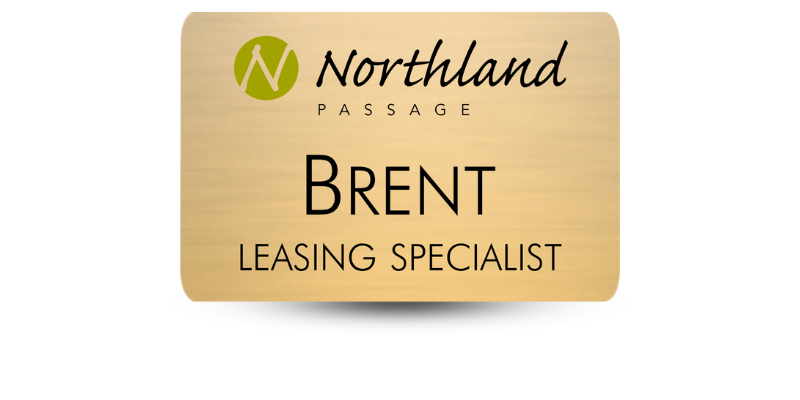
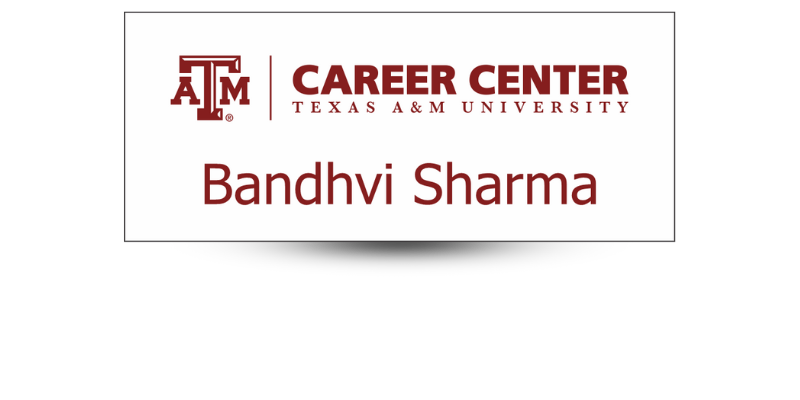
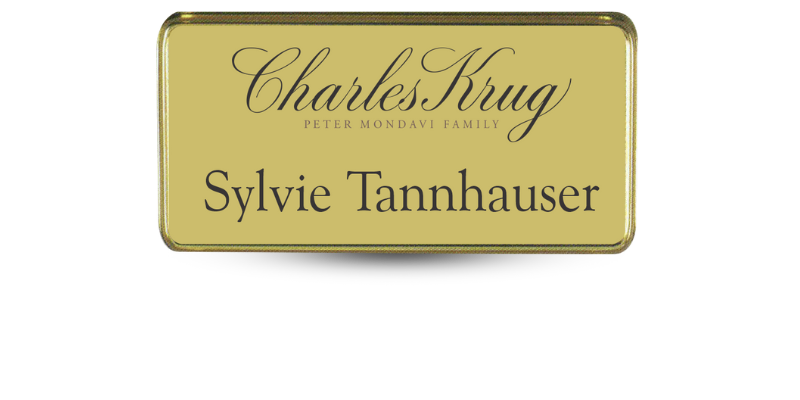
Placement matters. Many badges list pronouns beneath the first name in smaller text, or near the job title. The key is visibility without distraction. Pronouns should be easy to spot, but they shouldn’t overpower the name or title.
Some brands also use subtle dividers, spacing, or lighter font weights to keep the layout clean and professional.
Best Practices for Using Pronouns on Name Badges
The most successful implementations follow a few straightforward guidelines.
Make pronouns optional.
Employees should never feel pressured. Optional participation leads to better comfort and buy-in.
Let employees self-select.
Pronouns should always come from the individual, not assumptions.
Keep designs consistent.
Even if only some badges include pronouns, the overall layout should stay uniform. This avoids a mismatched look across teams.
Keep it readable.
Small fonts or crowded layouts defeat the purpose. If space is tight, simplicity wins.
Plan for updates.
Badge systems should make reorders easy without starting from scratch.
Brand Considerations Before Adding Pronouns
Every brand has its own voice, audience, and work environment. Pronouns on name badges should align with all three.
Some questions worth asking:
- Does this fit our workplace culture?
- How will customers or clients respond?
- Are all locations or departments on the same page?
- Do we want a universal policy or department-level choice?
For many organizations, offering pronouns as an option rather than making it a requirement helps keep things respectful and flexible.
Industry-Specific Considerations
Healthcare
Pronouns can help patients feel more comfortable and reduce communication barriers. Clarity is especially important in high-stress situations.
Retail and Hospitality
Fast interactions benefit from removing guesswork. Simple, clean badge designs keep the focus on service.
Schools and Universities
Safety, consistency, and respect all matter. Many institutions start with optional programs and expand based on feedback.
Corporate Offices
Internal culture often drives the decision. External-facing roles may have different needs than internal teams.
Design Tips for Pronoun Name Badges
Good design keeps everything balanced:
- Use clear, easy-to-read fonts
- Avoid cluttered layouts
- Stick with neutral color contrasts
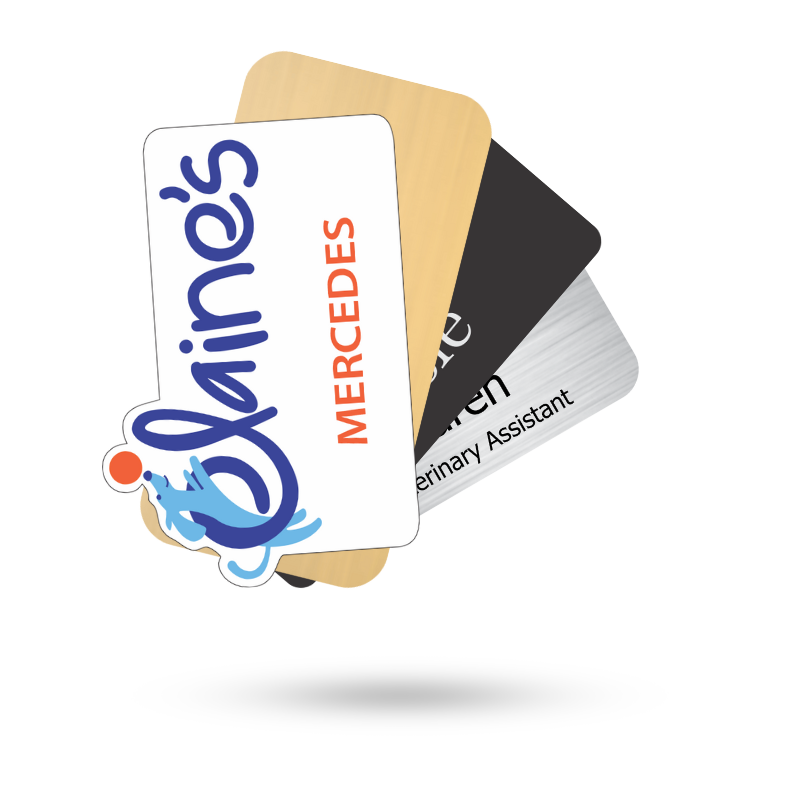
- Consider material space—metal name badges may require tighter layouts than plastic
If the badge feels crowded, it probably is.
Rolling Out Pronoun Name Badges Thoughtfully
A smooth rollout starts with communication.
- Explain that pronouns are optional
- Offer examples of how badges will look
- Start small with pilot groups if needed
- Collect feedback before expanding
This approach keeps the focus on clarity and comfort, not confusion.
Final Thoughts
Pronouns on name badges aim to make communication easier while respecting individual choice. When done thoughtfully, they can support a welcoming workplace without disrupting brand consistency.
The best name badges—pronouns or not—are clear, professional, and designed with real people in mind.
Share Article
Categories
View Recent Blog Posts