7 Name Tag Trends Changing Workplace Identity in 2026
How modern name badge designs are helping employees feel recognizable, approachable, and connected
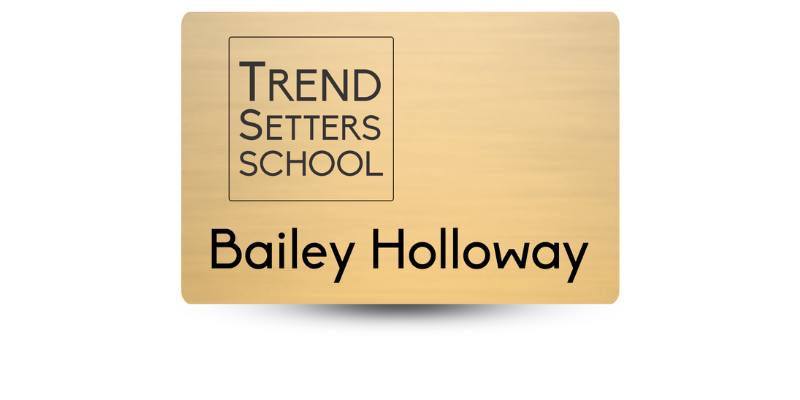
The workplace has changed, and employee name badges are changing with it. Teams may include full-time employees, temporary staff, contractors, hybrid workers, and people who move between departments or locations. A name badge still identifies the person wearing it, but today’s best designs can also communicate a role, reflect a company’s personality, and make everyday interactions easier.
In 2026, name badge trends are moving toward practical personlization. Employers need name badges that look polished and distinctive without being cluttered or hard to manage.
Here are 7 trends shaping how organizations are approaching workplace identity.
Employee Names Are Becoming the Main Design Feature
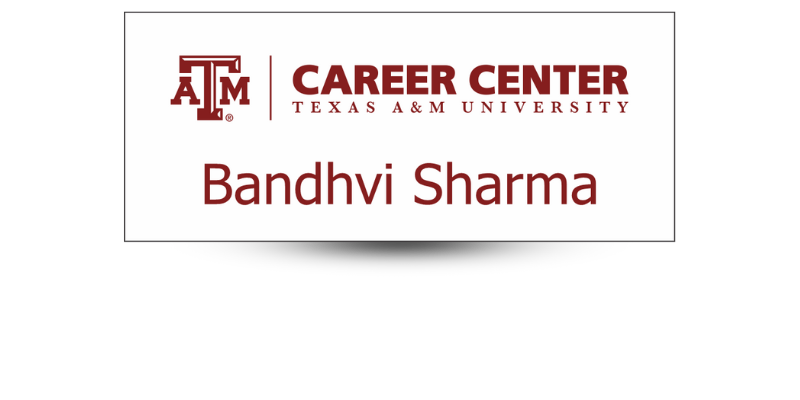
Logos, titles, departments, and credentials can all serve a purpose, but an employee’s name should not get lost among them. More organizations are making the name the largest and most noticeable element on the badge.
This people-first approach makes employees easier to recognize and helps customers, patients, visitors, and coworkers begin conversations naturally. A clear sans-serif font, strong contrast, and open spacing can make even a small badge easier to read. Before approving a design, print it at its actual size and check whether the name can be read from a comfortable conversational distance.
Personalization is Becoming Purposeful
Personalized name badges are moving beyond a name and job title, but that does not mean every available detail belongs on the design. The best additions give people useful context.
A department, certification, language, pronouns, or short role description may help someone understand how an employee can assist them. At conferences and community events, a brief conversation prompt can make introductions less awkward. Organizations should choose information based on the setting and give employees a voice when personal details are involved.
Reusable Name Badges to Help Support Flexible Teams
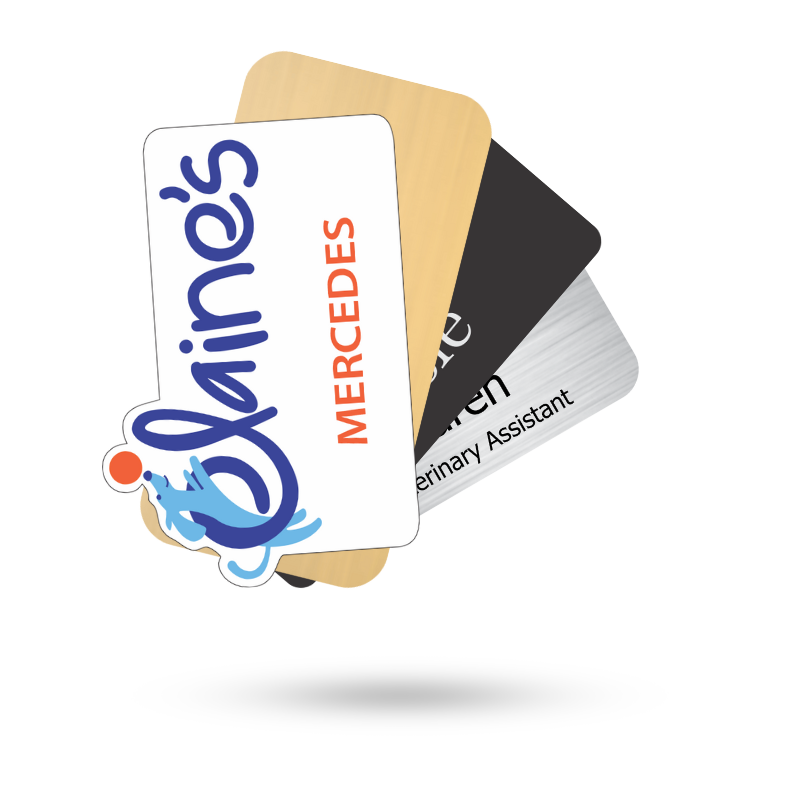
Reusable name badges are a practical choice for businesses with seasonal employees, volunteers, rotating assignments, or frequent new hires. The organization can keep the branded badge and update the employee name with an insert, printed label, or erasable surface.
This approach can reduce replacement costs and make it easier to prepare identification for a new team member quickly. Reusable badges are also helpful for training sessions, conferences, schools, restaurants, and other settings where the people wearing the badges regularly change. The key is choosing a system that staff can update neatly so every badge continues to look professional.
Premium Materials Are Used Strategically
Metallic finishes, engraved details, and custom-shaped name tags can create a more distinctive look, but the right material depends on the job. Metal name badges may complement luxury retail, hospitality, real estate, or leadership roles. Lightweight plastic can be a comfortable and cost-effective option for large teams and active work environments.
Rather than selecting one style because it is currently popular, organizations are matching the material to their brand, uniform, budget, and daily working conditions. Some businesses also use related designs across different materials, such as metal name badges for managers and plastic name badges for frontline or temporary employees. This creates a visual hierarchy while keeping the overall brand consistent.
QR Codes Are Adding a Digital Layer
A QR code can connect a physical name badge to information that would never fit comfortably on its surface. Depending on the workplace, it might lead to a professional profile, digital business card, appointment page, menu, event schedule, or company contact page.
However, a QR code should have a clear purpose. It needs enough open space to scan reliably, and the linked page should be useful on a mobile phone. Employers should also consider privacy before connecting a badge to an employee’s personal social media account or contact details. In many situations, linking to a company-managed profile is the better option.
Accessibility is Influencing Everyday Name Badge Design
Accessible design is not a separate style. It is a practical way to make name badges work for more people. High contrast, familiar lettering, readable type, and a simple information hierarchy help people identify the wearer with less effort.
Color coding may be useful for showing departments or event roles, but color should not carry the entire message. Text or a clear symbol can provide the same information for people who do not easily distinguish certain colors. Employers should also avoid glossy or overly reflective layouts that make names harder to see under bright lighting.
Comfort is Part of the Buying Decision
If a name badge is uncomfortable, heavy, or difficult to attach, employees may wear it incorrectly or leave it behind. That makes the attachment style just as important as the front design.
Magnetic name badges offer a clean appearance and do not puncture most clothing, making them popular for professional uniforms and everyday business wear. Pins and clips may still be useful for certain garments, budgets, or workplace requirements. Buyers should consider uniform fabric, employee movement, shift length, and any safety restrictions before choosing a backing.
What Should Your 2026 Name Badges Look Like?
The strongest name badge trend is not a specific color, shape, or material. It is thoughtful design. A successful badge makes the wearer easy to identify, reflects the organization’s brand, and suits the environment where it will be used.
Start with the employee’s name, then add only the information that supports the interaction. Choose a readable layout, a material suited to daily wear, and a fastener employees can use comfortably. From reusable plastic badges to full-color metal designs and custom shapes, Name Tag Pros can help you create workplace name badges that feel current without sacrificing function.
Share Article
Categories
View Recent Blog Posts