What Information Should Be on a Name Badge?
The Essentials for Clear, Professional, and Effective Name Badges

It seems like one of the simplest decisions you can make. Put someone's name on a badge, attach it to their shirt, and you're done.
But then the questions start.
Should you include a last name? What about a job title? Does the company logo need to be there? Should employees list credentials? And now that QR codes are everywhere, should you add one of those, too?
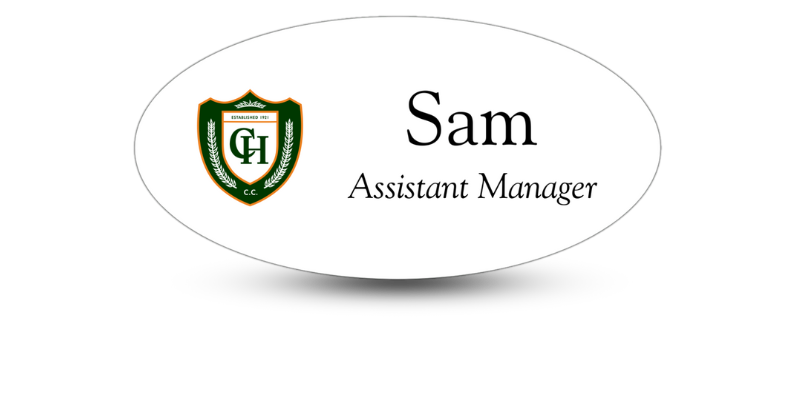
A professional name badge should usually include the person's preferred name and company or organization logo. Depending on where the badge will be used, it may also include a last name, job title, department, professional credentials, pronouns, QR code, or event role.
The goal isn't to fit as much information as possible onto a small badge. It's to include the information that helps someone identify the wearer, understand their role, and interact with them more easily.
What Information Should Be on a Name Badge?
For most businesses, a name badge can start with three basic elements:
- The person's preferred name
- The company or organization name
- The company logo
From there, you can add information based on how and where the badge will be used. That might include:
- Last name
- Job title
- Department
- Professional credentials
- Pronouns
- Branch or location
- Employee role
- QR code
- Event role
- Attendee category
You probably don't need all of these. In fact, you probably shouldn't use all of them.
Think about the purpose of the badge. A restaurant server doesn't need the same information as a conference attendee. A nurse's badge serves a different purpose from a trade show exhibitor's badge.
Start with the question: What does someone need to know when they look at this person?
The answer will tell you what belongs on the badge.
Should a Name Badge Include a First and Last Name?
A name badge doesn't always need a person's full name. In many customer-facing businesses, a first or preferred name is enough.
For example, a badge that simply says "Amanda" may be perfect for a restaurant, retail store, veterinary clinic, or hotel. Customers know who they're speaking with without being given unnecessary personal information.
Full names can make more sense in professional environments where identifying and remembering people is important. Conferences, networking events, professional services firms, universities, and business meetings are good examples.
Another option is a first name and last initial:
Amanda R.
This provides a little more identification without displaying the employee's complete name.
Most importantly, use the name the person actually goes by whenever possible. If someone's legal name is Robert but everyone calls him Bob, putting "Robert" on the badge may make introductions more confusing rather than less.
Should You Put a Job Title on a Name Badge?
Include a job title when knowing the person's role helps someone understand why they might want to speak with them.
Imagine walking into a large event and seeing these badges:
Rachel
Event Coordinator
Marcus
Sales Manager
Emily
Registration
You immediately know who may be able to help with different questions.
Job titles can be particularly useful in healthcare, professional services, hospitality, trade shows, large retail environments, conferences, and corporate settings.
But don't add a title simply because there's an empty line available.
Long or highly specific titles can quickly clutter a badge. "Senior Regional Customer Experience and Operations Coordinator" might be accurate, but it isn't especially helpful when someone has two seconds to read it.
When possible, use the shortest version of a title that still communicates the person's role.
Should a Company Logo Be on a Name Badge?
For most employee name badges, including a company logo makes sense. It connects the employee to the organization and turns the badge into a small but visible part of your branding.
That doesn't mean the logo should take over the badge.
The employee's name should generally be the easiest element to find and read. A huge logo with a tiny employee name defeats one of the main purposes of wearing a name badge in the first place.
The logo reinforces the brand. Jennifer's name remains the focal point. Her department gives the customer another useful piece of information.
Brand colors can also be incorporated into the badge, but readability should come first. If your brand colors create poor contrast between the text and background, adjust the design rather than making people struggle to read it.
Should You Include a Department or Team?
Sometimes a department is more helpful than a formal job title.
This is especially true in large organizations where customers, patients, students, or visitors are trying to figure out who can help them.
Departments can work well for:
- Hospitals and healthcare practices
- Hotels and resorts
- Universities and schools
- Retail stores
- Manufacturing facilities
- Corporate offices
- Large events
- Customer service organizations
Someone may not know what an "Operations Support Specialist II" does, but Customer Service, Cardiology, Admissions, or Event Staff tells them something immediately.
Department information can also be paired with color coding. Different badge colors, borders, or design elements can help distinguish teams while keeping the overall badge design consistent with the organization’s brand.
Should Professional Credentials Be Included on a Name Badge?
Professional credentials belong on a name badge when they provide useful information about the wearer's qualifications or professional role.
For example:
Jessica Martin, RN
or
David Lee, DDS
Credentials can be especially useful in healthcare, education, financial services, and other professional environments where someone's qualifications matter to the people they serve.
The key is restraint.
A long string of letters after someone's name may be appropriate on a business card or professional profile, but it can become difficult to read on a small badge. Prioritize the credentials that are most relevant to the person's role and the people interacting with them.
Should Pronouns Be Included on Name Badges?
Some workplaces and events provide space for employees or attendees to include their pronouns, such as she/her, he/him, or they/them.
If pronouns are included, they should generally appear as secondary information rather than competing visually with the person's name.
For example:
ALEX
they/them
Marketing
Organizations can decide whether pronouns make sense based on their workplace, employees, audience, and event format. If they're offered, the design should still follow the same basic rule as every other piece of secondary information: keep the person's name easy to find and read.
How Do You Choose the Right Information for Your Name Badges?
Before choosing a template or deciding how many lines you can squeeze onto your badges, answer five questions:
- Who will wear the badge? Employees, volunteers, conference attendees, healthcare professionals, salespeople, or someone else?
- Who needs to read it? Customers, patients, coworkers, event attendees, visitors, or potential clients?
- Where will it be worn? A quiet office and a crowded trade show create very different readability needs.
- What does someone need to know about the wearer? Their name? Department? Qualifications? Company? Event role?
- What can you remove? If taking something off doesn't make the badge less useful, you probably don't need it.
This approach helps prevent the common mistake of designing a name badge around the available space rather than the people who will actually use it.
Ready to create professional name badges for your team? Explore the custom options available from Name Tag Pros and create badges that make names easier to remember, roles easier to recognize, and your brand easier to spot.
Share Article
Categories
View Recent Blog Posts