How to Protect Employee Privacy Without Giving Up Name Badges
Practical Ways to Balance Staff Safety, Customer Trust, and Workplace Accountability

Name badges are a familiar sight in stores, restaurants, medical offices, hotels, and other customer-facing workplaces. They make employees easier to approach, help customers know who is available to assist them, and support a professional team image.
But can the information printed on a badge also raise privacy concerns? An employee who displays a full legal name may be easy to find on social media or through a quick online search. For someone with an uncommon name—or a history of harassment or stalking—that exposure can feel especially uncomfortable.
Fortunately, businesses do not have to choose between employee privacy and visible identification. A well-planned name badge policy can support staff safety while preserving the trust, accountability, and personal connection that badges provide.
Why Are Employees Concerned About Name Badge Privacy?
Employees may worry that displaying their full names makes it easier for strangers to locate their social media accounts, contact information, family members, or other personal details. These concerns are especially relevant for people who regularly deal with upset, aggressive, or unpredictable customers.
Privacy concerns may also arise when an employee’s legal name is different from the name they use every day. For example, an employee may prefer a nickname, middle name, shortened name, or another chosen name. Requiring a legal name on a customer-facing badge can make that employee feel exposed or uncomfortable without offering any real benefit to the customer.
Employers should take these concerns seriously. In most workplaces, customers need a simple way to address an employee and identify the person who helped them. They rarely need access to that employee’s complete identity.
Why Name Badges Are Still Valuable
Protecting privacy does not mean eliminating name badges. When thoughtfully designed, badges provide several important workplace benefits.
Name Badges Make Employees More Approachable
Customers are often more comfortable asking for help when they can see an employee’s name and role. A badge removes the awkwardness of trying to determine who works there or how to address someone.
Name Tags Support Accountability
Name badges help customers identify the employee who assisted them, allowing them to share a compliment, ask a follow-up question, or report a concern. Accountability does not require a full legal name. A first name, department, role, or employee number is often enough for management to identify the correct team member.
Name Tags Help Customers Find the Right Person
A badge can display a job title, department, qualification, or language skill. These details may be more useful to a customer than an employee’s surname. Someone looking for a manager, pharmacy technician, event volunteer, or bilingual staff member can find the right person quickly.
Full-color Logo Name Badges Strengthen the Company Image
Consistent colors, fonts, logos, and badge shapes create a polished appearance across the team. Employees remain clearly connected to the company even when the badge limits personal information.
What Information Should an Employee Name Badge Display?
A good rule is to include enough information to help the customer, but no more than the workplace actually needs. Depending on the business, a badge might display:
- A first or preferred name
- A last initial, if needed
- A job title or department
- The company logo
- An employee number
- A professional credential
- A language skill
- Pronouns, when the employee chooses to include them
Employers should avoid printing home locations, personal contact details, birth dates, schedules, private social media handles, or other sensitive information. QR codes should never lead to a page containing personal employee data.
Seven Ways to Protect Employee Privacy
1. Use First Names Only
For most retail, restaurant, hospitality, and service settings, a first name gives customers all the information they need for a friendly interaction. Leaving off the surname makes it harder for strangers to locate an employee online.
An uncommon first name may still make someone easy to identify, so employers should also offer another option when an employee has a specific safety concern.
2. Let Employees Use Preferred Names
Allowing preferred names gives employees greater control over what they display. The name might be a nickname, shortened version, middle name, or another name the person commonly uses.
Employers can create simple workplace guidelines for preferred names without requiring every badge to match payroll or personnel records. The internal system can still connect the displayed name with the employee’s official record.
3. Use a Last Initial When More Detail Is Needed
When two employees share the same first name, adding a last initial can prevent confusion without revealing a full surname. Another option is to add a department, job title, location number, or internal employee code.
For example, “Jordan—Store Manager” and “Jordan—Customer Service” are easier for customers to distinguish than two badges displaying only Jordan.
4. Highlight the Employee’s Role
In many situations, customers care more about what an employee does than what the employee’s full name is. Badges such as “Alex—Pharmacy Team,” “Morgan—Event Staff,” or “Taylor—Customer Support” are personal, helpful, and privacy-conscious.
Role labels can also reduce visual confusion in large workplaces, healthcare settings, conferences, and public venues.
5. Offer Alternatives for Employees With Safety Concerns
Some employees may need added protection due to harassment, stalking, domestic violence, or another personal situation. Businesses should provide a private, respectful way to request an alternate badge.
Options may include a different first name, initials, a role-only badge, or an employee number. A worker should not have to share sensitive details with several supervisors simply to request a safer form of identification.
6. Use QR Codes Carefully
QR codes can connect customers with useful company information, but employers should review the destination before putting one on a badge. A code might lead to a company team page, appointment form, product guide, or customer feedback page.
It should not reveal a personal phone number, private email address, work schedule, home location, or individual social media account. Company-managed pages give the business more control over what visitors can see.
7. Review the Badge Policy Regularly
Workplace needs change. A policy that made sense several years ago may no longer reflect current roles, technology, or employee concerns.
Ask employees whether they are comfortable with the information on their badges. Include badge preferences during onboarding, replace outdated badges promptly, and review the policy at least once a year.
Different Industries May Need Different Solutions
There is no single badge format that works for every organization.
Retailers, restaurants, and hotels can usually rely on first names or preferred names paired with job titles. Healthcare organizations may need to display professional roles or credentials, but they can still limit unrelated personal details. Schools and childcare facilities need badges that clearly separate staff members from visitors.
Home service companies may choose a photo, first name, job title, and company logo so customers can verify that the technician entering their home is an authorized employee.
Event organizers can use first names, role labels, and color coding to distinguish staff, volunteers, speakers, vendors, and attendees without overcrowding credentials with personal information.
Before setting a policy, businesses should also check any identification rules that apply to their location or industry.
Build Privacy Into the Badge Design
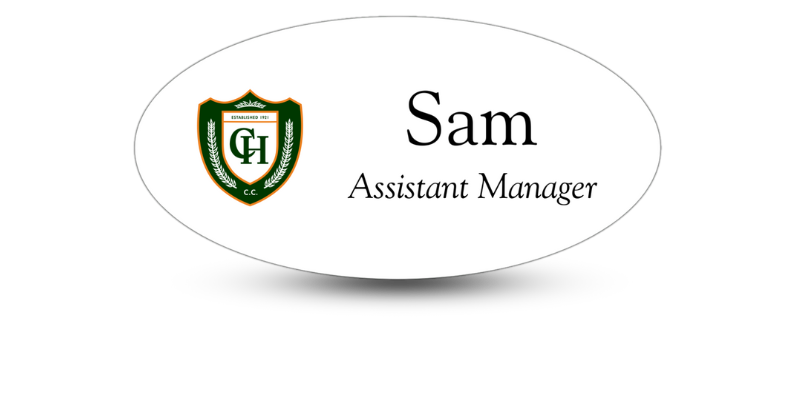
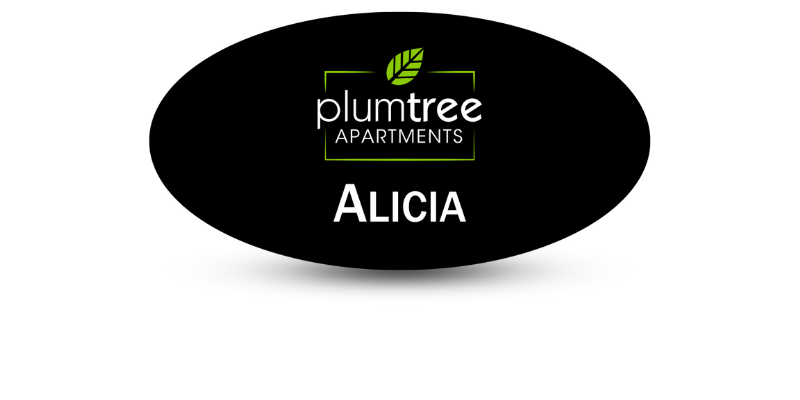
Privacy-conscious name badges can still look sharp and professional. Make the employee’s first or preferred name the most prominent element, then place the role or department underneath it. Keep the logo clearly visible and use readable type, strong color contrast, and comfortable spacing.
Color coding can communicate departments or permission levels without adding more personal details. A consistent format also helps customers recognize authorized employees quickly.
Create Name Badges That Work for Everyone
Employee privacy and customer connection can go hand in hand. In many workplaces, a first or preferred name, job title, department, and company logo provide all the identification a customer needs.
The best policy starts by asking a simple question: What information helps the customer, and what information creates unnecessary exposure for the employee? Once a business answers that question, it can create name badges that support a welcoming customer experience while respecting the people who wear them.
Name Tag Pros offers customizable badge options that can display the names, roles, colors, and branding that fit your workplace. Create a clear, professional badge program that helps customers connect with your team while giving employees greater confidence in what they share.
Frequently Asked Questions About Name Badges and Privacy
Should Employee Name Badges Include Last Names?
In many customer-facing workplaces, a last name is unnecessary. Employers can use a first or preferred name, role, department, or employee number unless an industry rule or specific business need calls for formal identification.
Can Employees Use Preferred Names on Name Badges?
Yes. A preferred-name policy can help employees feel safer and more comfortable while still giving customers a natural way to address them.
Are Name Badges an Employee Privacy Risk?
They can be if they reveal full legal names, personal contact details, social media accounts, or other unnecessary information. Limiting the badge to useful workplace information reduces that exposure.
What If Two Employees Have the Same First Name?
Add a last initial, job title, department, location, or employee number to distinguish them without displaying both full names.
Should QR Codes Be Placed on Employee Badges?
QR codes can be useful when they link to company-controlled resources. They should not expose an employee’s personal phone number, private email address, schedule, or social media profile.
Ready to create the perfect name badges for your company while protecting your employees' privacy? Let Name Tag Pros help!
Share Article
Categories
View Recent Blog Posts